Art History Blog
Discover stories, guides, and insights about the world's most famous masterpieces and artists.
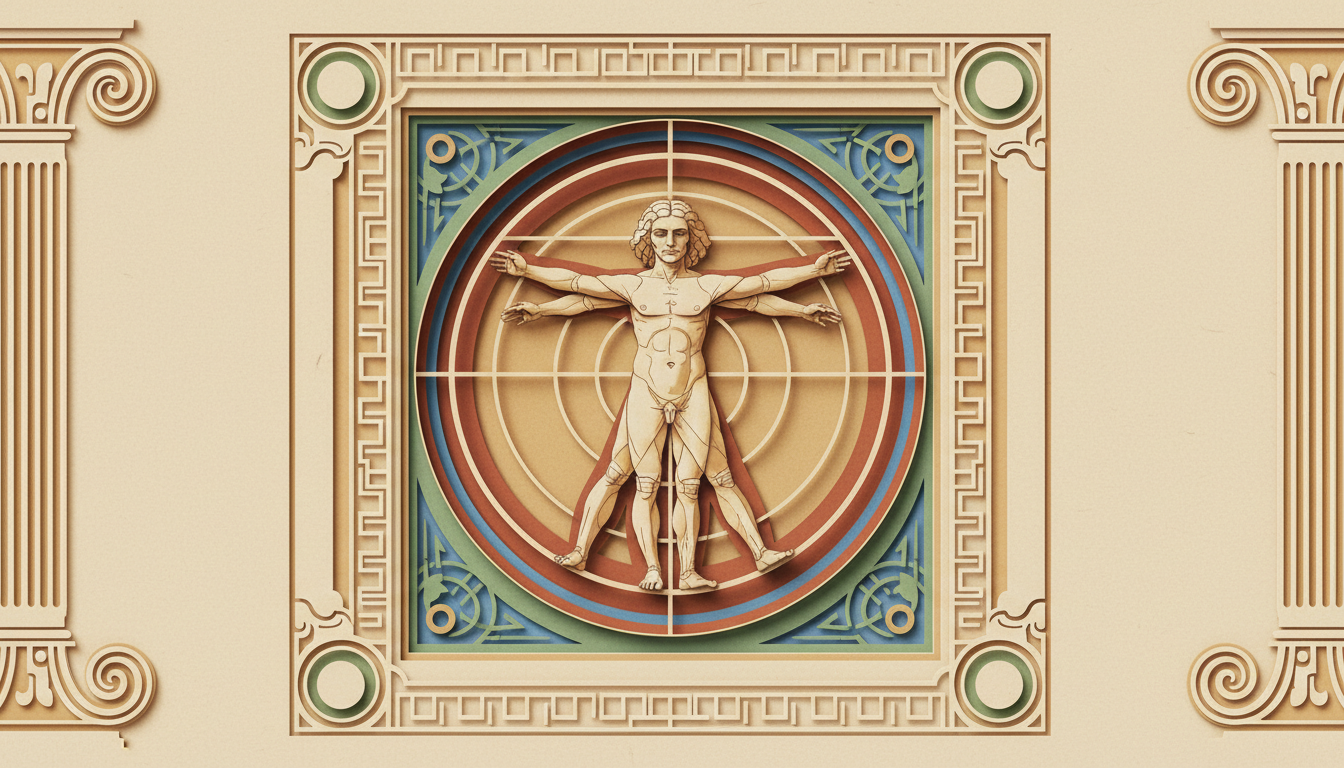
The Vitruvian Man: Leonardo’s Study of Human Proportion and Influence
Leonardo da Vinci’s Vitruvian Man (c.1490) fuses art, anatomy and geometry — a Renaissance manifesto of proportion, the human body as measure, and the enduring symbol of humanism.
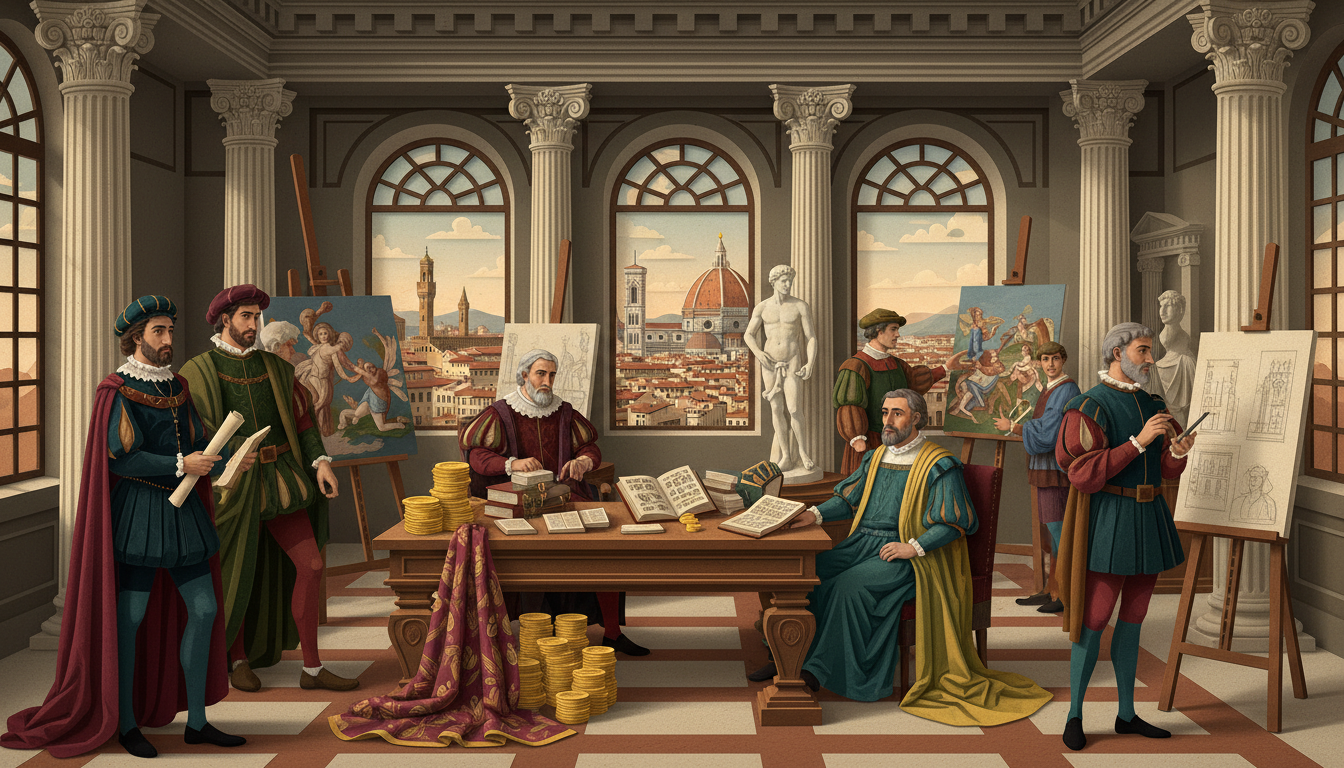
The Medici and the Renaissance: Banking, Patronage, and Power
Explore how the Medici family—bankers, patrons and political actors of Florence—shaped the Italian Renaissance through art commissions, humanist networks, and cunning diplomacy.
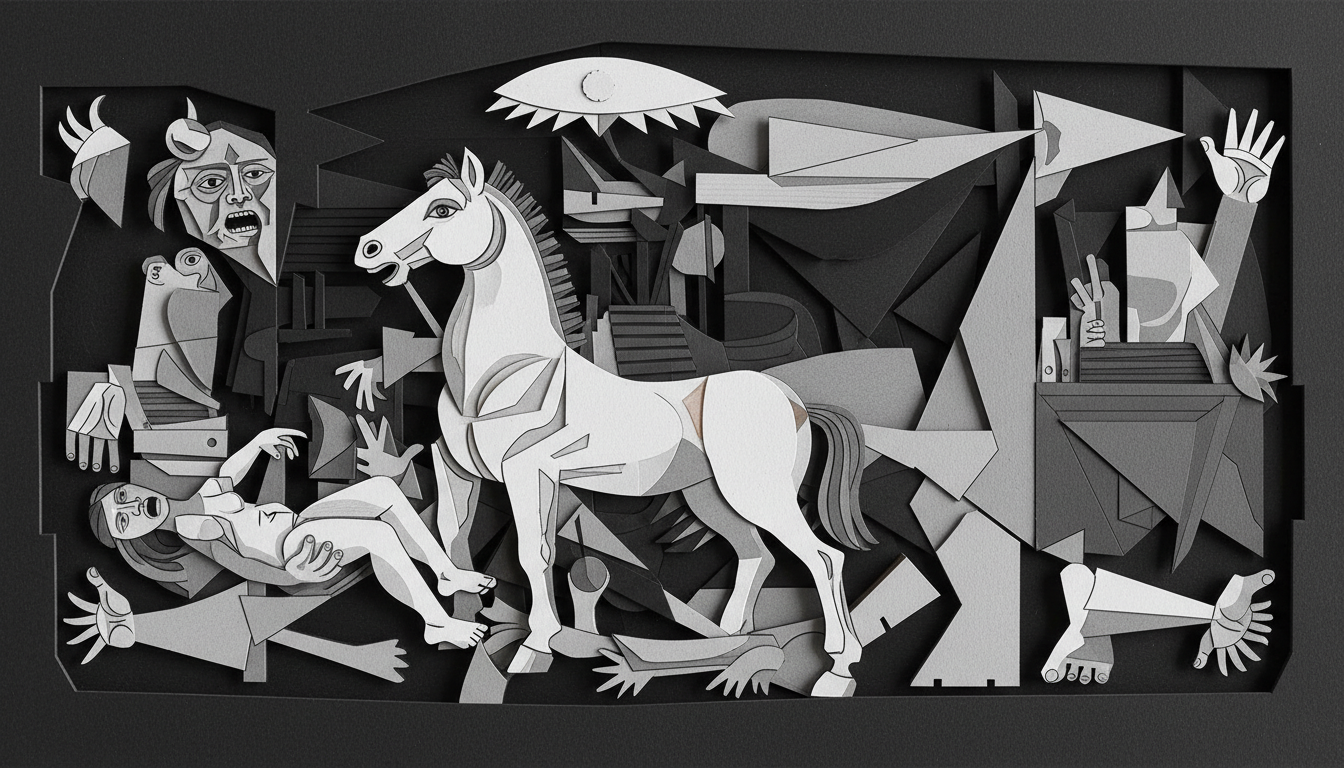
Guernica: Picasso's Monumental 1937 Protest Painting & Legacy
Picasso's Guernica (1937) is a monumental black-and-white masterpiece — an anguished response to the bombing of Guernica that became a global anti-war symbol.
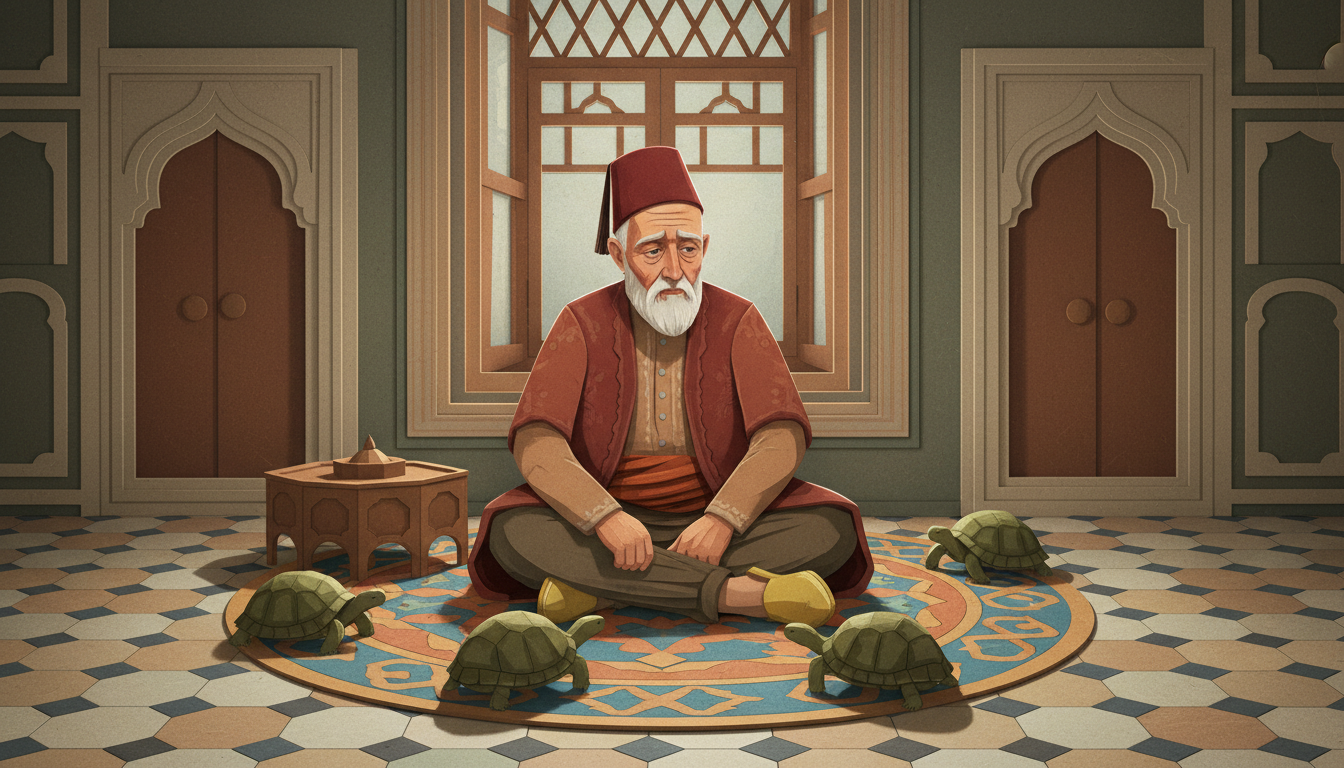
The Tortoise Trainer: Osman Hamdi Bey’s Icon of Ottoman Change
Osman Hamdi Bey’s 1906 masterpiece The Tortoise Trainer captures wit, melancholy, and social critique—an enduring symbol of late Ottoman introspection and cultural identity.
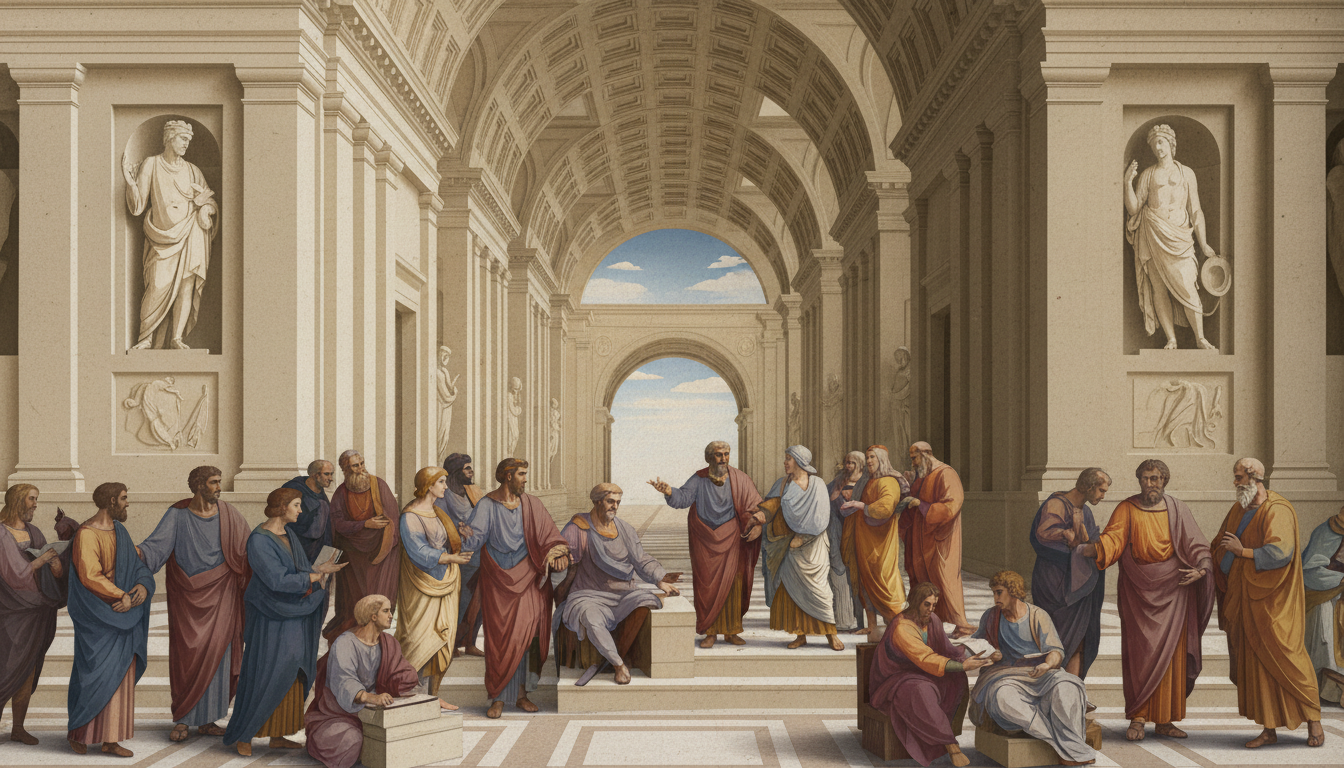
Raphael’s The School of Athens: A High Renaissance Masterpiece
Explore Raphael’s The School of Athens (1509–1511): a masterful fresco in the Vatican that gathers philosophy, science and art into one timeless statement of Renaissance humanism.
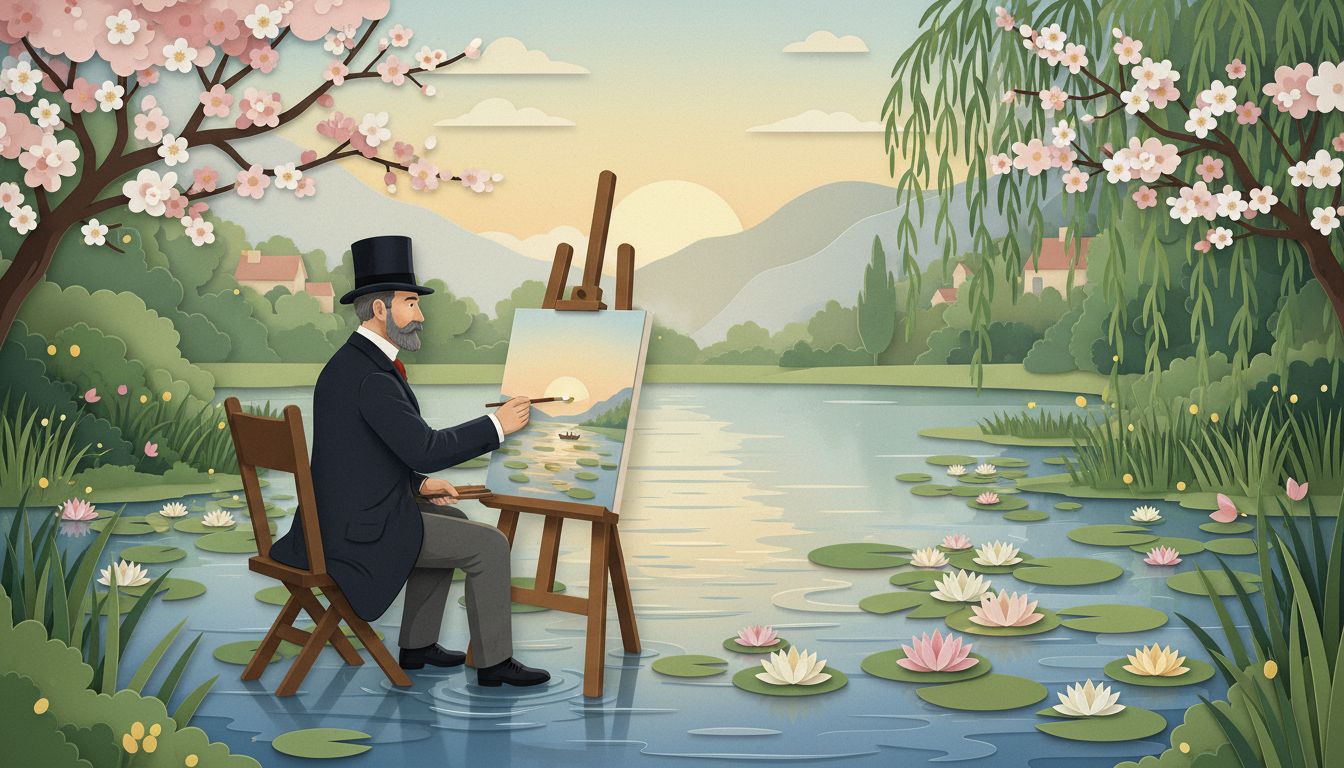
Claude Monet: Light, Water, and the Birth of Impressionism and Legacy
Explore Claude Monet's life from Le Havre to Giverny, his role in founding Impressionism, and the luminous paintings—like <em>Impression, Sunrise</em> and the Water Lilies—that changed modern art.

Why Vincent van Gogh Cut His Ear: The Incident, Theories, Context
On December 23, 1888 Vincent van Gogh severely wounded his ear in Arles. This article explores the event, the people involved, medical theories, and how it reshaped his life and legacy.
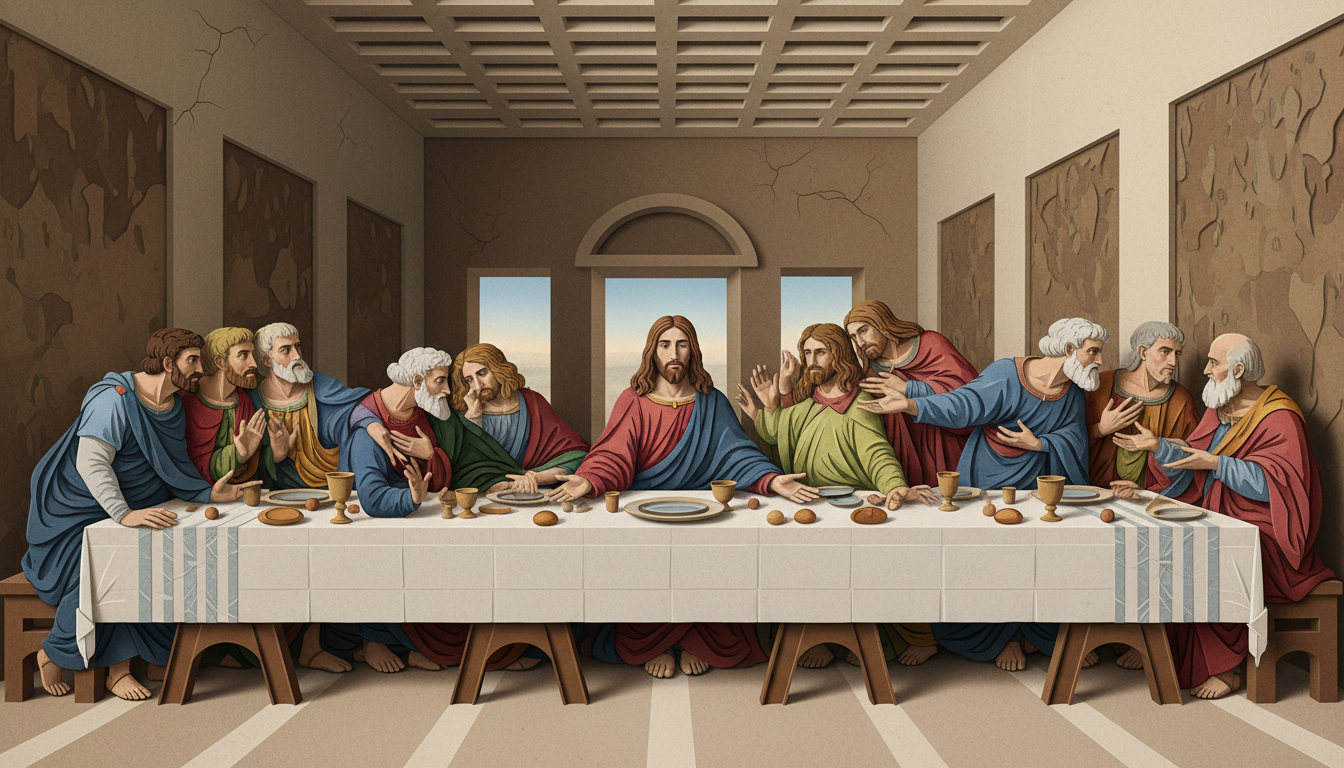
The Last Supper: Da Vinci’s Masterpiece, Mystery, and Meaning
Explore Leonardo da Vinci’s The Last Supper—its dramatic composition, symbolic detail, troubled conservation history, and enduring influence from 1495–1498 to today.
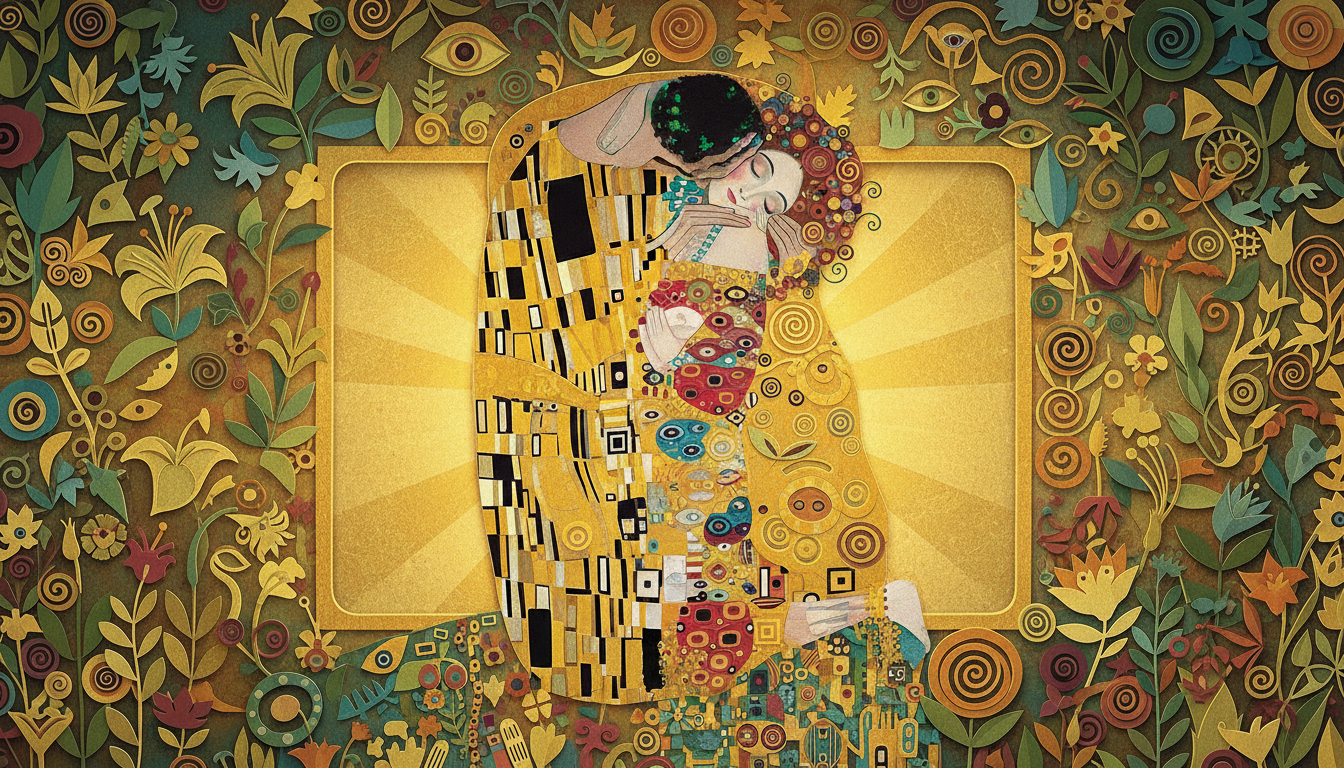
The Kiss by Gustav Klimt: Gold, Desire, and the Vienna Secession
Gustav Klimt's The Kiss (1907–1908) is a dazzling marriage of gold-leaf technique and sensual intimacy. Explore its creation, symbolism, and enduring appeal.